
Property insurance claim costs are rising in 2026 even as the overall number of claims has declined. More expensive building materials, labor costs, severe weather, wildfire losses, and increasingly complex repairs can all increase the cost associated with restoring damaged homes. Understanding these trends can help homeowners better interpret repair estimates and property claim documents.
Why Property Claims Are Becoming More Expensive
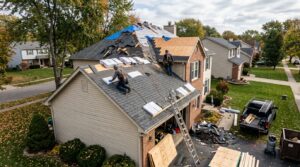 The cost of a property insurance claim depends on much more than the visible damage. Repairing a home may require contractors, specialized materials, demolition, cleanup, permits, temporary protection, inspections, and other work.
Recent U.S. insurance data illustrates this shift. The 2026 LexisNexis U.S. Home Trends Report found that overall claim severity reached its highest level in seven years during 2025. Severity increased even while claim frequency declined.
This means insurers may be handling fewer claims while the average loss associated with those claims becomes more expensive.
Construction Costs Remain an Important Factor
When a damaged roof, wall, floor, or structural component needs replacement, current construction prices influence the repair estimate.
Material prices can change over time. Roofing products, lumber, drywall, electrical components, plumbing materials, windows, and finishes may cost considerably more than they did when a home was originally built.
Labor is another major component. Skilled contractors may charge different rates depending on location, availability, specialization, and the amount of work required.
Large Losses Can Require Multiple Types of Work
Property damage sometimes affects several parts of a home at once.
A major water loss, for example, might involve water removal, drying equipment, drywall replacement, flooring work, painting, electrical inspection, and mold-related evaluation.
Storm damage may involve roofing, gutters, siding, windows, fencing, and interior water intrusion.
Each additional component can increase the overall scope of a repair estimate.
Weather Events Continue to Affect Claim Severity
Extreme weather remains an important part of the U.S. property insurance landscape.
Wildfires, hailstorms, tornadoes, hurricanes, severe thunderstorms, flooding, and winter weather can cause widespread property losses. A single catastrophe may affect thousands of properties within a relatively short period.
The 2026 LexisNexis report found that fire and lightning losses were especially significant during 2025. The report linked much of that increase to major California wildfire activity.
Severe weather can also create another challenge: demand.
Contractor Demand Can Increase After Major Disasters
After a large storm or wildfire, many property owners may need repairs at the same time.
Contractors, roofers, restoration companies, engineers, inspectors, and specialized trades may experience higher demand. Materials may also become harder to obtain quickly.
Those conditions can affect repair schedules and prices.
Regional Conditions Matter
Property claim trends vary considerably by location.
Homes in wildfire-prone areas may face different risks from homes in regions frequently affected by hail or hurricanes. Coastal properties may encounter wind and flood concerns, while northern states may experience ice, snow, and freeze-related losses.
This is one reason national averages cannot describe every individual property claim.
Roof Claims Are Receiving Greater Attention
Roof condition has become a major issue within the property insurance market.
Insurers increasingly consider roof age, material, maintenance history, prior claims, and visible condition when evaluating property risk.
Some insurers also use satellite imagery, aerial photography, drones, or other technology to evaluate exterior property conditions.
These tools may identify roof deterioration, missing shingles, tree exposure, structural changes, or other characteristics without a traditional person-to-person inspection.
Our property claim FAQs explain several common questions homeowners may encounter when dealing with inspections and claim documentation.
Repair Estimates May Not Always Match
A contractor’s estimate and an insurance estimate do not necessarily contain the same numbers.
Different estimates may use different labor rates, material prices, measurements, repair methods, or scopes of work.
Scope of Work Can Create Major Differences
Consider a damaged roof.
One estimate might include replacing only visibly damaged shingles. Another might identify underlayment, flashing, vents, decking, gutters, or other components requiring attention.
The difference between those scopes can substantially affect the total estimate.
Homeowners reviewing estimates may find it useful to compare the individual line items rather than looking only at the final total.
Measurements Can Also Vary
Roof dimensions, flooring area, wall measurements, and material quantities may differ between assessments.
Photographs, diagrams, measurements, and inspection reports can provide useful context when reviewing these differences.
Policy Terms Can Affect Claim Payments
Increasing repair costs do not automatically mean every policy pays the full cost shown on a contractor’s estimate.
Insurance policies contain terms that determine how covered losses are evaluated.
Important concepts may include deductibles, coverage limits, exclusions, depreciation, actual cash value, and replacement cost.
Percentage Deductibles Are Receiving More Attention
Some property policies use percentage-based deductibles for certain losses, particularly wind or hurricane damage.
Unlike a fixed deductible, a percentage deductible may be calculated using the insured value of the property.
For example, a deductible expressed as a percentage of dwelling coverage may produce a significantly different amount than a traditional fixed-dollar deductible.
Recent property insurance reporting indicates that percentage deductibles and actual-cash-value provisions have become more common in parts of the market.
Documentation Matters More When Costs Rise
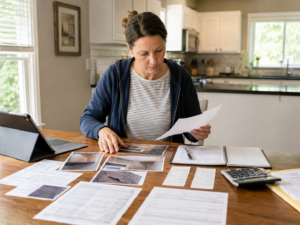 As repair projects become more expensive and complicated, documentation becomes increasingly useful.
A property claim may involve many records over time.
These can include photographs, videos, receipts, contractor estimates, inspection reports, invoices, emails, claim letters, inventories, and policy documents.
Create a Record of the Property Condition
Photographs taken shortly after damage occurs can help document what the property looked like at that time.
Additional photographs during cleanup and repairs can create a timeline showing how the work progressed.
Homeowners may also want to keep copies of contractor estimates and invoices rather than relying only on verbal descriptions of repairs.
Claim Roadmap provides additional information about property claim education and resources designed to make these subjects easier to understand.
Fire and Water Losses Can Become Particularly Expensive
Not every property claim involves simple exterior repairs.
Fire and water losses can affect areas that are not immediately visible.
Fire Damage Can Extend Beyond Burned Materials
A fire may create smoke, soot, odor, heat, and water damage in addition to direct burning.
Cleaning, demolition, structural repair, electrical work, contents evaluation, and rebuilding can therefore become part of a larger restoration project.
Water Can Travel Beyond the Original Source
Water from a plumbing failure, roof leak, appliance problem, or storm may move through walls, ceilings, insulation, flooring, and other building materials.
Some affected areas may not become apparent until an inspection or repair begins.
This can cause the scope of work to change after the initial estimate.
What Homeowners Can Learn From 2026 Claim Trends
The key trend is not simply that property claims cost more. It is that modern claims can involve more expensive materials, specialized labor, detailed inspections, changing policy provisions, and greater catastrophe exposure.
Homeowners reviewing a claim can benefit from understanding what each document represents and how different parts of the process connect.
Review the Details, Not Just the Total
When reviewing an estimate, look at the individual repair items, measurements, materials, and quantities.
When reviewing insurance correspondence, pay attention to the policy provisions and explanations referenced in the document.
When documenting damage, keep records organized so they can be located later if questions arise.
Property Claim Costs May Continue to Evolve
Property insurance trends are closely connected to construction prices, weather events, local risk conditions, technology, and insurance policy design.
Those factors continue to change in 2026.
For homeowners, understanding the terminology surrounding repairs, estimates, deductibles, inspections, and documentation can make property claim information easier to follow. Claim Roadmap focuses on providing straightforward educational resources that explain these topics without unnecessary complexity.