
Satellite and drone home insurance inspections are becoming a more visible part of the U.S. property insurance market in 2026. Instead of relying only on traditional in-person inspections, insurers may use aerial photographs, satellite imagery, drones, and automated image analysis to review roofs and other exterior features. These tools can help insurers gather property information more quickly, but they can also leave homeowners wondering what was inspected, what the images showed, and how those findings may affect coverage.
Why Home Insurers Are Using More Aerial Technology
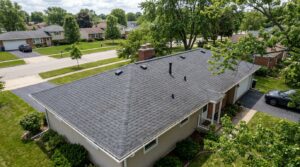 Property inspections have always played a role in home insurance. Insurers may inspect a property when a new policy is issued, when coverage is renewed, after major property changes, or when a claim is being reviewed.
What has changed is the technology available to perform those inspections.
Insurers can now review high-resolution aerial photographs, satellite images, drone footage, and other remotely collected information without sending someone onto the property in every situation.
A 2026 homeowner survey reported that many people may not know whether an insurance inspection took place because insurers can use drones, satellite images, and other remote inspection methods without a traditional visit. Most homeowners surveyed reported no negative consequence from an inspection, although a smaller number were asked to make property changes or experienced coverage issues. Insurance.com discusses these inspection trends in its 2026 home insurance survey.
Remote Inspections Can Cover Large Areas Quickly
Aerial technology can allow insurers to review many properties across a neighborhood or region more efficiently than individual on-site visits.
This can be especially useful after severe storms, wildfires, hail events, hurricanes, or other widespread disasters.
Instead of sending an inspector to every roof immediately, an insurer may first use aerial imagery to identify areas that appear damaged or properties that may need a closer review.
Technology Does Not Always Replace an In-Person Inspection
Aerial images can provide useful exterior information, but they do not show every condition inside a building or beneath roofing materials.
An insurer may still request an in-person inspection when additional information is needed. The type of inspection used can depend on the property, policy, reason for review, and information already available.
How Remote Property Inspections Work
Remote property inspections can involve several different technologies.
Satellite images may provide broad views of a property and surrounding area. Aerial photographs may be captured by aircraft. Drones can collect closer images of roofs, chimneys, gutters, siding, and other exterior features.
Some companies also use software to analyze those images and identify characteristics that may be relevant to property risk.
Satellite Imagery
Satellite imagery can provide an overhead view of a home and surrounding property.
Depending on the image quality and date, an insurer may be able to review roof shape, property additions, nearby vegetation, structures, and other visible features.
Satellite images can also help compare how a property has changed over time.
Drone Inspections
Drones can capture much closer images than standard satellite photographs.
A drone may photograph shingles, flashing, vents, chimneys, gutters, roof edges, and difficult-to-reach areas without requiring an inspector to climb onto the roof.
This can reduce some physical risks associated with traditional roof inspections while providing detailed visual records.
Aerial Photography
Insurance companies may also obtain aerial imagery from specialized property data companies.
These images can be updated periodically and may provide detailed views of neighborhoods, structures, roof surfaces, and surrounding conditions.
What Insurers May Look for From Above
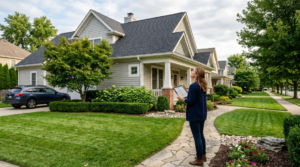 Remote inspections can reveal a range of visible property conditions.
Roof condition is one of the most important areas because roofing losses can be expensive and roofs are exposed to weather throughout the year.
Current industry reporting shows that insurers are paying more attention to roof age and roof condition as roof-related claim severity rises. A 2026 Matic report noted that insurers can evaluate factors such as roof condition, materials, geometry, nearby vegetation, and previous weather exposure. Matic provides additional discussion of this trend.
Roof Age and Visible Wear
Older roofing materials may show curling, discoloration, missing shingles, patchwork repairs, or other signs of wear.
These conditions do not automatically mean that a roof is damaged or that coverage changes are required. However, they may prompt additional review.
Tree and Vegetation Exposure
Aerial images may reveal large branches hanging over roofs, dense vegetation close to structures, or trees that could create potential property risks.
In wildfire-prone areas, vegetation near a home may receive additional attention.
Exterior Property Conditions
Images may also show detached structures, pools, roof-mounted equipment, debris, damaged gutters, visible siding issues, or other exterior characteristics.
Some remote inspection systems can also compare current images with older photographs to identify changes.
Can an Insurer Inspect a Property Without a Homeowner Present?
In some situations, remote imagery may be reviewed without a homeowner being physically present because the inspection does not require entry into the home.
This is one reason some homeowners may not realize an inspection has occurred until they receive correspondence from the insurer.
United Policyholders reported in 2026 that insurers increasingly use drones, aerial photos, satellite images, and artificial intelligence to review properties before issuing or renewing policies. The organization also noted that homeowners sometimes learn about the inspection only after receiving a request for repairs or a nonrenewal notice. United Policyholders provides a consumer-focused explanation of this issue.
How Inspection Results May Affect Home Insurance
An inspection does not necessarily lead to a change in coverage.
Most homeowners in the 2026 Insurance.com survey reported either no inspection impact or no awareness that an inspection had taken place.
However, certain findings may result in additional communication from an insurer.
An Insurer May Request Property Maintenance
If an inspection identifies a visible condition that the insurer considers a risk, the homeowner may receive a request to address it.
Examples could include trimming branches, repairing damaged roofing materials, clearing debris, or correcting another exterior condition.
The exact response depends on the insurer, property, policy, and state rules.
Coverage Decisions Can Depend on Multiple Factors
Remote inspection findings are only one part of the broader underwriting process.
Insurers may also consider property age, construction characteristics, location, prior losses, catastrophe exposure, rebuilding costs, and other information.
Claim Roadmap’s property claim FAQs explain several common questions related to inspections, adjusters, documentation, and property damage claims.
What Happens When Aerial Images Appear Incorrect?
Aerial imagery is useful, but it may not always show the full context of a property condition.
An image may be outdated, partially blocked by trees, affected by shadows, or captured before recent repairs were completed.
Roof discoloration may also appear differently depending on lighting, moisture, or image quality.
Current Documentation Can Provide More Context
If a homeowner receives a notice based on a property condition that has already been corrected, recent photographs, contractor invoices, inspection reports, or repair records may help show the current condition.
Keeping organized property records can therefore be useful even when no active claim exists.
Dates Matter
When reviewing an aerial image or inspection notice, the date of the image can be important.
A roof photographed several years earlier may not reflect repairs completed afterward. Likewise, recent storm damage may not appear in older imagery.
Drone Inspections After Property Damage Claims
Drones are not used only for underwriting or policy reviews. They can also assist with property damage claims.
After a severe storm, a drone may capture detailed photographs of roof damage without requiring immediate access to dangerous or unstable areas.
This can be useful when roofs are steep, structurally compromised, or difficult to inspect safely.
Drone Images Can Become Part of Claim Documentation
Photographs collected during a claim inspection may become part of the insurer’s claim file.
Images can show missing shingles, punctures, fallen branches, damaged flashing, gutters, vents, or other visible conditions.
However, exterior photographs may not show hidden damage beneath roofing materials or inside walls and ceilings.
Roof Condition Is Becoming More Important
Roof-related risk has become increasingly significant for insurers because repair and replacement costs have risen.
The 2026 LexisNexis U.S. Home Trends Report found that overall home insurance claim severity reached a seven-year high in 2025. Severe losses, inflation-driven rebuilding costs, wildfires, and changing weather patterns contributed to higher claim costs. LexisNexis Risk Solutions provides national data on these trends.
As claim severity rises, insurers have more reason to examine property conditions that could influence future losses.
What Homeowners Can Do Before an Inspection
Homeowners do not need sophisticated technology to keep track of their property’s condition.
Basic maintenance records and photographs can create a useful history of repairs and improvements.
Keep Property Records Organized
Records may include roofing invoices, contractor receipts, inspection reports, permits, photographs, warranties, and maintenance notes.
These documents can be especially useful when a roof, siding, window, or other major component has recently been replaced.
Review the Exterior Periodically
Homeowners may notice missing shingles, damaged gutters, loose siding, tree branches, or other visible conditions during routine property maintenance.
Addressing ordinary maintenance issues can also help create a clearer distinction between long-term wear and sudden property damage.
Photograph Major Repairs
Before-and-after photographs can provide a useful visual record.
For example, photographs taken after a roof replacement can help document when new materials were installed and what the roof looked like after the work was completed.
Remote Inspections Raise New Questions for Homeowners
The growth of satellite and drone home insurance inspections creates a new layer of property information that homeowners may encounter.
These technologies can make inspections faster, safer, and more detailed in certain situations. They can also create questions about image accuracy, inspection dates, property changes, and how findings are used.
Regulators are paying closer attention as these practices expand. United Policyholders notes that regulatory discussions increasingly address how aerial imagery and artificial intelligence should be used in underwriting decisions.
Technology Should Be Viewed as One Source of Information
An aerial image can show valuable details, but it represents a snapshot of a property at a particular time.
Homeowners may have additional information that an image cannot capture, including recent repairs, interior conditions, maintenance history, warranties, and contractor reports.
Understanding the New Property Inspection Landscape
Satellite imagery, drones, aerial photography, and automated image analysis are becoming part of modern home insurance operations.
For homeowners, the most practical approach is to understand that property conditions may be reviewed even without a traditional inspection appointment.
Keeping current records, maintaining the property, documenting repairs, and reviewing insurance correspondence carefully can help make inspection-related information easier to understand.
Claim Roadmap provides additional educational resources about property claims and insurance information, including inspections, documentation, repairs, and common property claim questions.